Understanding the psychological triggers that influence casino gambling behavior
The Allure of Gambling: What Draws Players In
Casino gambling has an undeniable appeal that captivates individuals from various backgrounds. The thrill of risk, combined with the potential for substantial rewards, creates an enticing atmosphere. For many, gambling serves not just as a source of entertainment but also as a way to escape from daily stresses. This escapism is often a powerful psychological trigger, prompting individuals to engage in gambling even when they are aware of the inherent risks involved. Many players find themselves frequently visiting platforms like https://betsio-casino-uk.uk/, drawn in by the allure of countless gaming options.

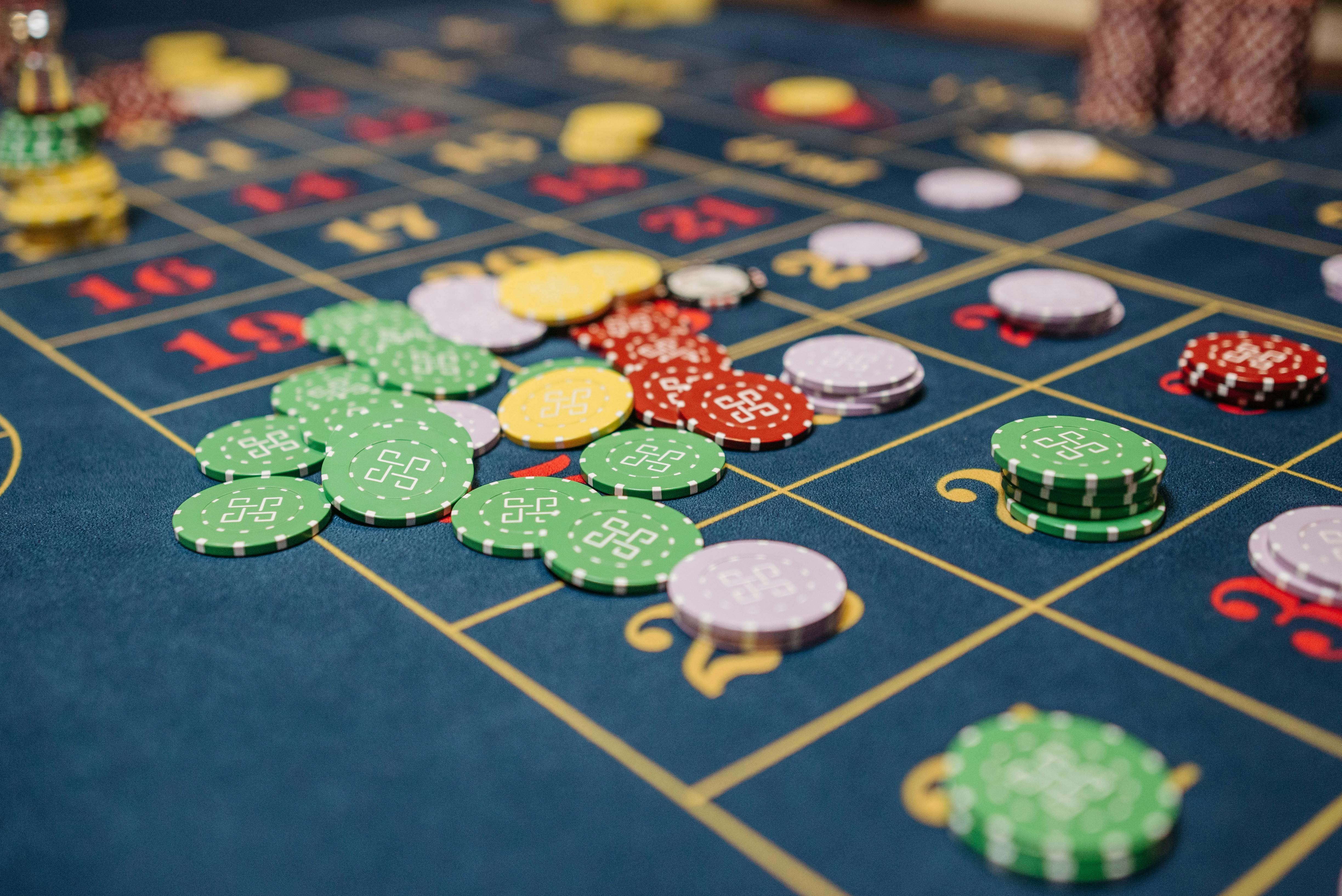
The sensory environment of casinos plays a significant role in attracting players. Bright lights, engaging sounds, and vibrant colors work synergistically to create an immersive experience. This sensory overload can evoke feelings of excitement and anticipation, leading to a state of heightened arousal. Psychologically, this can diminish rational thought, making individuals more likely to place bets and overlook potential losses. Understanding how these environmental factors influence behavior can help both players and operators foster a more responsible gambling atmosphere.
Another key factor is the social aspect of gambling. Casinos often serve as social hubs where friends gather, and camaraderie is built over shared experiences at the gaming tables or slot machines. This social interaction can reinforce gambling behavior, as individuals may feel pressure to participate or continue playing to maintain social ties. The combination of individual motivations and social influences creates a complex web of psychological triggers that can enhance both the enjoyment and risks associated with gambling.
Cognitive Biases and Gambling Behavior
Cognitive biases are systematic patterns of deviation from norm or rationality in judgment, and they play a crucial role in shaping gambling behavior. One of the most prevalent biases in this context is the illusion of control, where gamblers believe they can influence the outcome of games of chance. This belief can lead to risky betting patterns, as players may overestimate their abilities and continue to gamble despite accumulating losses, thinking they will eventually “hit it big.”
Another significant cognitive bias is the gambler’s fallacy, the misconception that past events influence future outcomes in random games. For instance, if a player experiences a string of losses, they may feel that they are “due” for a win, leading them to wager larger amounts. This fallacy can result in irresponsible financial management and escalating gambling habits, as players chase their perceived losses. Understanding these cognitive biases is essential for developing strategies to mitigate their impact and promote responsible gambling.
Lastly, the availability heuristic affects how players assess risk and reward. Gamblers often rely on easily recalled examples of winning, such as big jackpot stories, while minimizing the more common tales of loss. This selective memory reinforces the excitement of gambling and can distort one’s perception of reality, leading to the false belief that winning is more common than it truly is. Recognizing and addressing these cognitive biases can lead to better decision-making and a more balanced approach to gambling.
The Role of Emotions in Gambling Decisions
Emotions play a pivotal role in decision-making processes, particularly in high-stakes environments like casinos. The rush of excitement associated with gambling can lead to impulsive behaviors, where individuals make decisions based solely on their emotional state rather than rational thought. This heightened emotional state often encourages players to take bigger risks, increasing the likelihood of significant financial losses.
Moreover, the interplay of emotions such as joy, anger, and frustration can further complicate gambling behavior. For example, a player may experience euphoria after a win, prompting them to continue gambling in pursuit of that high. Conversely, feelings of disappointment following a loss can lead to chasing losses, where players escalate their bets in an attempt to recover their financial setbacks. This emotional rollercoaster creates a volatile environment that can cloud judgment and lead to problematic gambling.
Understanding how emotions influence gambling behavior is crucial for both players and operators. By recognizing emotional triggers, individuals can develop coping strategies to manage their feelings while gambling. Additionally, casinos can implement responsible gaming measures, such as promoting self-awareness tools that allow players to recognize their emotional state and make more informed decisions.
Financial Management and Responsible Gambling
Financial management is a vital aspect of responsible gambling, yet it is often overlooked by many players. Developing a budget before engaging in gambling activities can help individuals set clear limits on their spending. By defining how much they are willing to lose, players can mitigate the risks associated with impulsive betting behaviors driven by emotional and cognitive triggers. Furthermore, setting time constraints can also enhance financial management, encouraging players to take breaks and reassess their gaming habits.
Another critical element of financial management is understanding the concept of value in gambling. Players should be educated about the odds of different games and the actual payout percentages. This knowledge can foster more informed decision-making and decrease the likelihood of chasing losses. Recognizing that gambling should primarily be viewed as a form of entertainment rather than a source of income is essential for promoting responsible gambling habits.
Ultimately, effective financial management in gambling requires a proactive approach. By creating a structured plan, seeking support when needed, and regularly evaluating their behaviors, players can cultivate a healthier relationship with gambling. Casinos can play a significant role in this by offering resources and tools to assist players in implementing effective financial strategies, fostering a culture of responsible gaming.
Betsio Casino: Promoting Responsible Gambling
Betsio Casino is committed to creating an enjoyable and secure gambling environment by prioritizing responsible gaming. The platform offers a wide variety of games while ensuring that players are equipped with the necessary tools to manage their gambling habits effectively. By providing resources such as budget calculators and self-exclusion options, Betsio Casino empowers players to make informed decisions and engage in responsible gambling practices.
Additionally, Betsio Casino’s focus on customer support means that players can seek help whenever they need it. The availability of professional support services ensures that users have access to guidance and resources to navigate their gambling experiences safely. By fostering a community that values responsible gaming, Betsio Casino seeks to minimize the risks associated with gambling while enhancing the overall experience for its players.
In conclusion, understanding the psychological triggers that influence casino gambling behavior is vital for promoting a healthier approach to gaming. By recognizing the factors that drive gambling decisions, both players and operators can work together to create a more responsible gaming landscape. Betsio Casino exemplifies this commitment through its extensive offerings and dedication to player safety and well-being.